
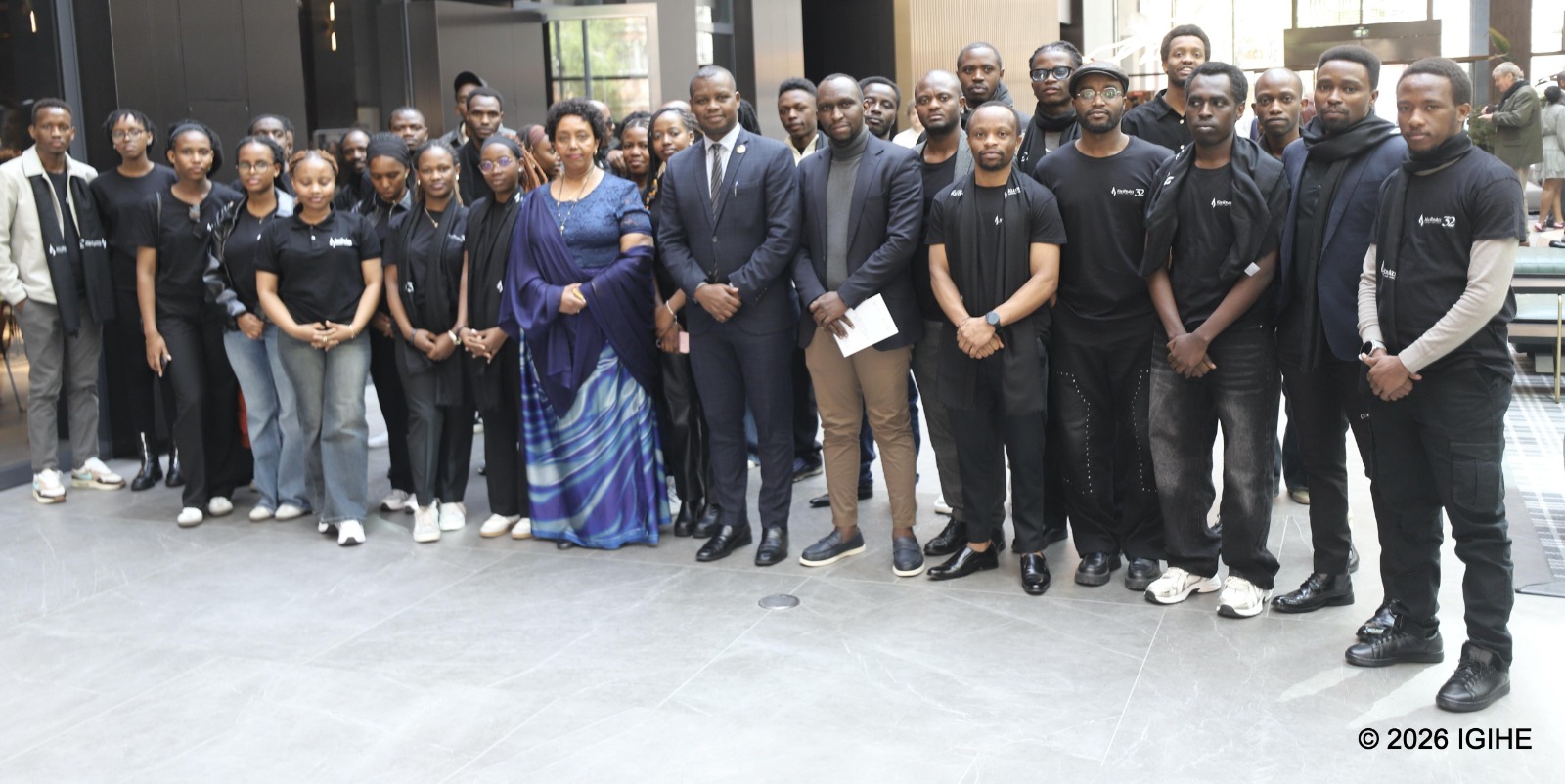
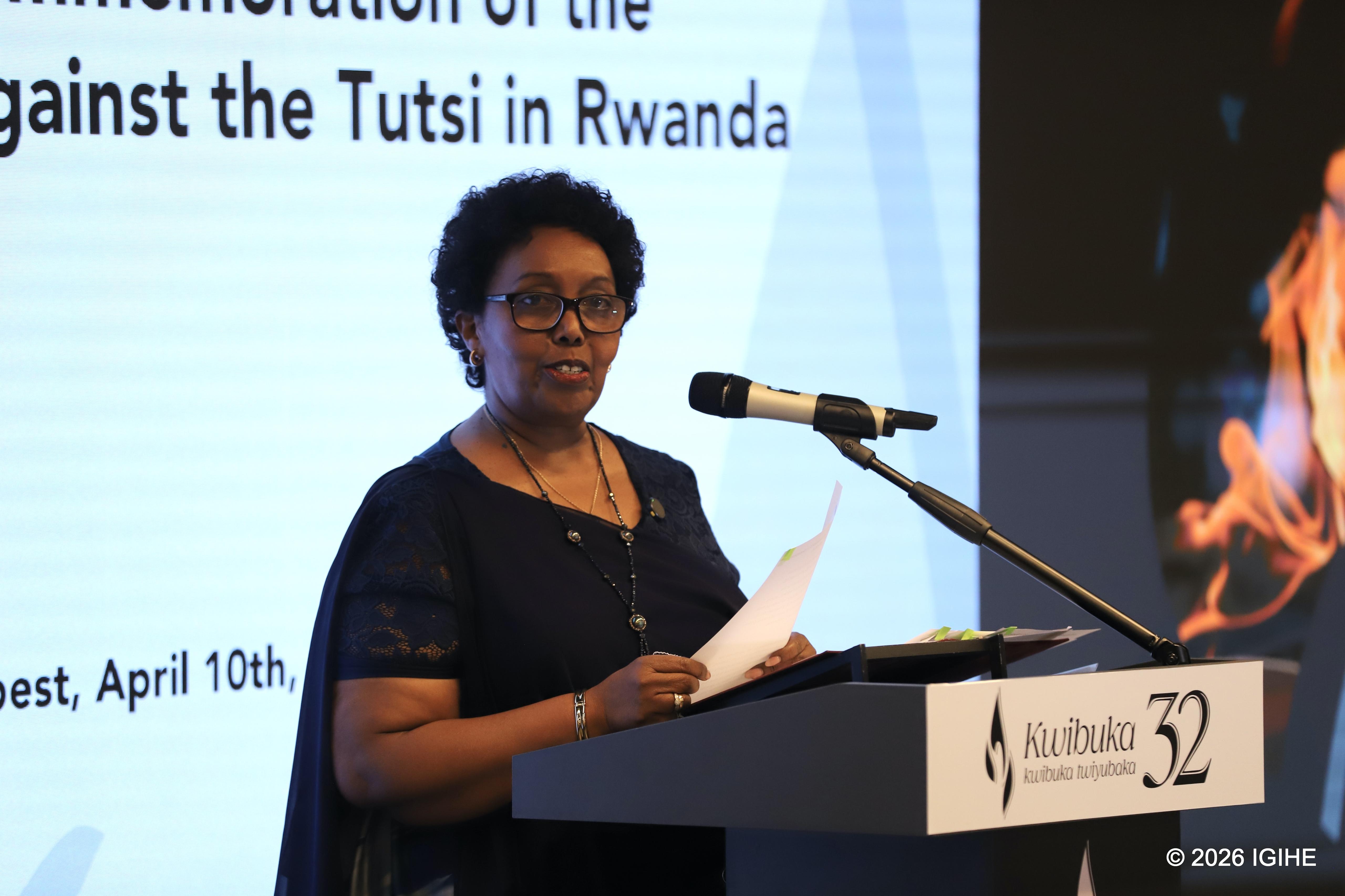
“Rwanda’s youth are the guardians of our future,” she emphasized—framing remembrance not only as an act of honoring the past, but as a responsibility carried by a new generation. Her words underscored a national commitment to ensure that the hatred which once tore Rwanda apart is neither inherited nor repeated.
This message is deeply rooted in Rwanda’s post-genocide transformation. At its core lies Ndi Umunyarwanda—“I am Rwandan”—a unifying principle affirming that all citizens are equal. It is more than a slogan; it is a deliberate and constitutionally anchored strategy to rebuild a shared identity that colonial powers once dismantled. Through it, Rwanda reminds its youth that unity is not accidental—it must be protected.
To understand the weight of this responsibility, one must revisit the past.
Before colonial intervention, Rwanda was a centralized kingdom under the Mwami (king), where Hutu, Tutsi, and Twa identities were fluid socio-economic categories rather than rigid ethnic divisions.
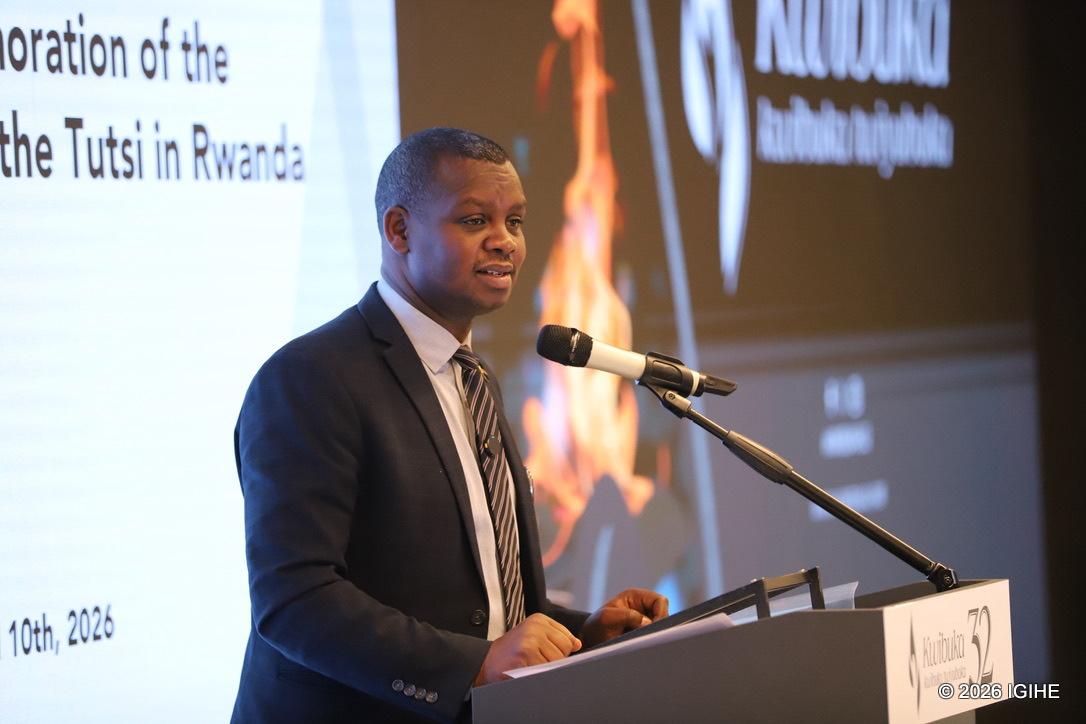
As noted by Freddy Mutanguha, CEO of the Kigali Genocide Memorial, these identities were linked to occupation—cattle herders, farmers, and hunter-gatherers—and social mobility and intermarriage were common. A shared language, culture, and sense of ubunyarwanda bound the population together.
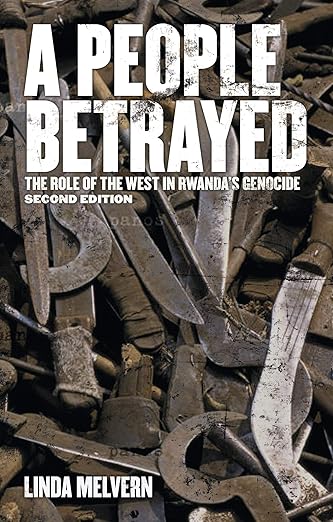
This cohesion was systematically dismantled under German and especially Belgian colonial rule. Influenced by pseudoscientific racial theories, colonial administrators redefined social categories into fixed ethnic identities. The introduction of mandatory ethnic identity cards in the 1930s cemented divisions that had once been fluid.
Colonial policies deepened these fractures. Initially favoring Tutsi elites as “superior,” Belgian authorities later reversed course, promoting Hutu majoritarianism and portraying Tutsi as foreign oppressors.
The 1959 “Hutu Revolution,” supported by colonial powers, overthrew the monarchy and unleashed waves of violence against Tutsi. In the years that followed, discrimination became institutionalized through ethnic quotas and systemic exclusion.
These colonial distortions transformed identity into a weapon. Their legacy culminated in the 1994 Genocide against the Tutsi, during which over one million lives were lost in just 100 days.
The end of the genocide, marked by the Rwandan Patriotic Front stopping the killings, was not just a conclusion—it was a beginning. Rwanda embarked on a deliberate journey of restoration.
The 2003 Constitution, revised in 2015, enshrined national unity and reconciliation as foundational principles. Central to this effort was Ndi Umunyarwanda, fostering dialogue, shared identity, and a common future beyond the divisions of the past.
It is within this context that Ambassador Nyagahura’s message gains urgency.
Rwanda today is a young nation demographically. Its youth—many born after the genocide—are the first generation largely unscarred by its direct horrors. Yet they face a different challenge: the persistence of genocide denial and distortion, often amplified through global and digital platforms. This makes their role not passive, but active.
Across the country, initiatives are designed to instill this sense of duty. Reconciliation clubs in schools, civic education programs, creative arts, and community dialogues all serve one purpose: to remind young people that they are custodians of unity.
Partnerships with the Ministries of Youth and Arts, Education, and of National Unity and Civic Engagement reinforce constructive dialogue and equip youth to reject genocide ideology in all its forms.
Participation in annual commemorations, community service, and national programs is not merely symbolic. It is a continuous process of learning, remembering, and safeguarding. The message is clear—unity must be lived, defended, and passed on.
By positioning youth as guardians, Rwanda ensures that unity is not just a memory of recovery, but a living principle guiding its future. In a world still grappling with division and distortion, this approach offers a powerful lesson: the future belongs to those who consciously refuse to inherit the hatreds of the past.
And in Rwanda, that future is being
placed—deliberately and confidently—in the hands of its youth.
Photo credit: IGIHE

Comments (0)
No comments yet. Be the first!
Leave a Comment
Your comment will be reviewed before publishing.