
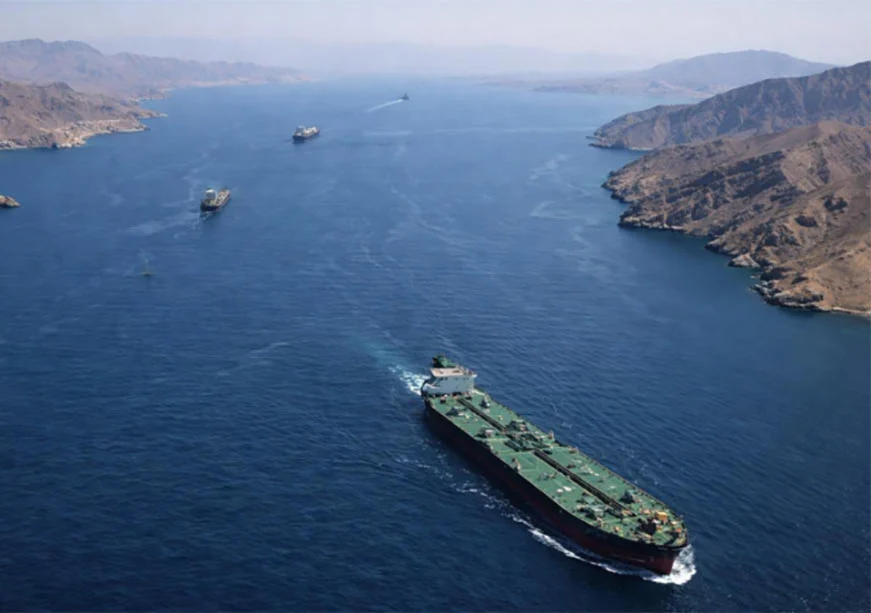
At the heart of the crisis lies a narrow maritime passage: the Strait of Hormuz. Normally responsible for about one-fifth of the world’s oil supply, the route has become increasingly unstable. As shipments slowed or halted, global oil prices surged above $120 per barrel, fueling inflation worldwide.
“This is not just an energy crisis—it’s a systemic shock,” economists warn, pointing to the cascading effects now spreading across continents.
The immediate impact has been felt through energy markets. With millions of barrels of oil removed from daily supply, fuel prices have climbed sharply, pushing up the cost of transportation, manufacturing, and food production.
In major economies, inflation is rising again after years of post-pandemic stabilization. Analysts estimate global inflation could increase by more than 1 percentage point this year alone. For households, that translates into higher grocery bills, more expensive electricity, and rising rent or mortgage payments.
Africa: Food and Fuel Under Pressure
In many African countries, the crisis is unfolding as a cost-of-living emergency. Heavily dependent on imported fuel and fertilizers, economies across the continent are seeing rapid price increases.
The African Development Bank warns that growth could slow while food insecurity worsens.
Fertilizer shortages—linked to disrupted trade routes—are already threatening agricultural output in parts of East Africa.
For millions of families, the impact is immediate: higher transport costs mean higher food prices. In fragile economies, even small increases can push basic goods out of reach.
Not only in Africa, across Asia, the consequences are hitting both households and industries. Countries like Japan and Pakistan, which rely heavily on Middle Eastern oil, are facing rising import bills and growing pressure on national budgets.
Factories are also feeling the squeeze. Supply disruptions have driven up the cost of key industrial inputs, including helium used in semiconductor production. In some sectors, production has slowed; in others, costs are being passed on to consumers.
In parts of South and Southeast Asia, reports of fuel shortages and panic buying highlight how quickly global shocks can translate into local instability.
Europe: A Familiar Energy Crisis Returns
For Europe, the Iran conflict has revived fears of another energy crisis—just years after the turmoil triggered by the war in Ukraine.
Gas prices have surged, industrial costs are climbing, and economic growth is slowing. Energy-intensive sectors such as steel and chemicals are once again under pressure, with some companies warning of production cuts or relocation.
Households are feeling the impact as well. Rising energy bills and higher interest rates are squeezing disposable income, increasing the risk of recession in several economies.
The same case in American continent, the effects are less direct but still significant.
Higher global oil prices are pushing up fuel costs, while financial markets have become more volatile. Economic growth forecasts are being revised downward as uncertainty spreads.
At the same time, energy exporters in the region may benefit from higher prices—but those gains are uneven and often offset by broader economic slowdowns.
A Fragile Global System
Beyond regional impacts, the war is exposing deeper vulnerabilities in the global economy. Shipping disruptions, rising insurance costs, and delays in deliveries are affecting everything from food aid to medical supplies.
Humanitarian organizations report that the cost of delivering aid has increased sharply, stretching already limited resources. For vulnerable populations, this could mean reduced access to essential services.
What is unfolding is more than a geopolitical crisis. It is a global economic test—one that is revealing just how interconnected, and how fragile, the modern world has become.

Comments (0)
No comments yet. Be the first!
Leave a Comment
Your comment will be reviewed before publishing.