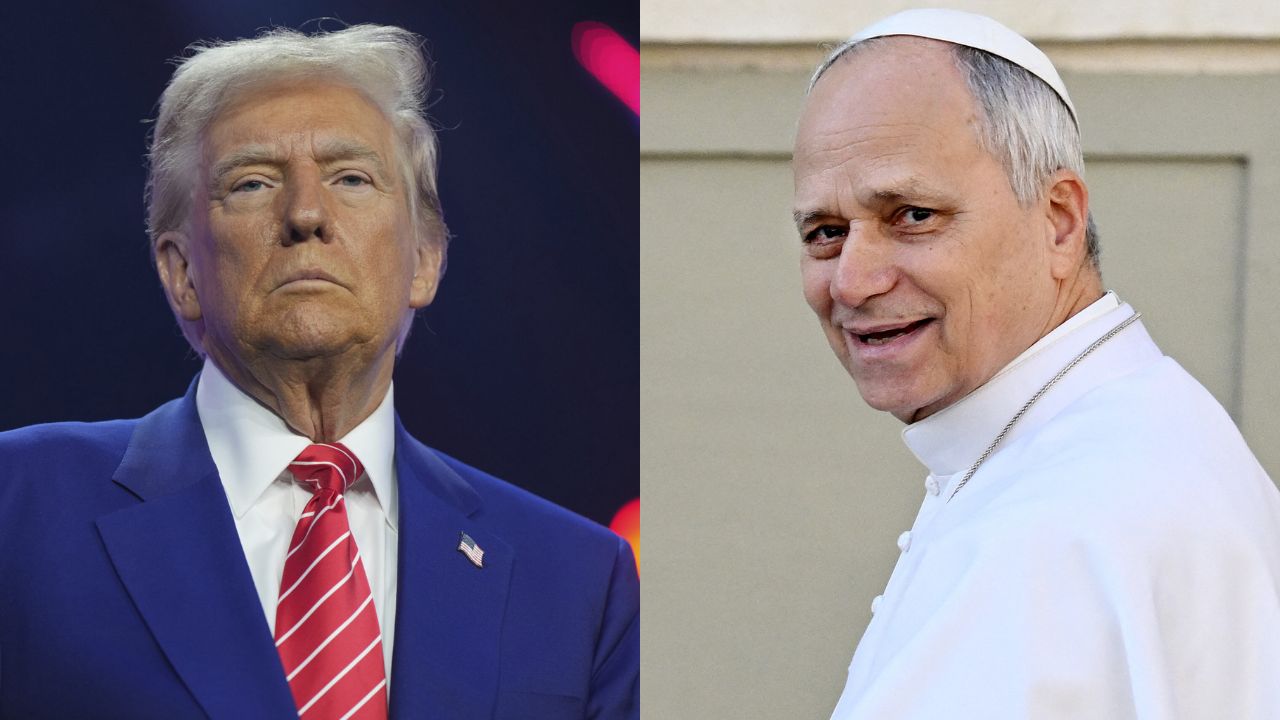
According to Letters from Leo, the claim relies on anonymous Vatican sources and lacks official confirmation from the U.S. government or the Holy See.
Concluding his visit to Hungary, Vice President JD Vance said on April 8, 2026, that he doesn’t know who Cardinal Pierre is—until recently the pope’s ambassador to the U.S.—then, once reminded, declined to comment on the Pentagon’s January meeting with the cardinal or on the “bitter lecture” Under Secretary Elbridge Colby is said to have delivered.
Based on available reporting as of April 8, 2026, here is a clear-eyed analysis.
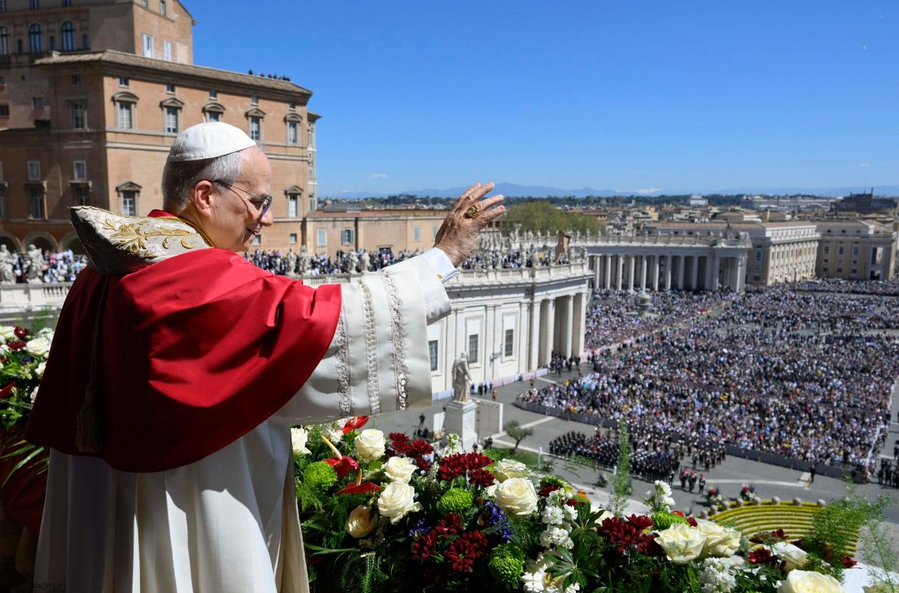
Pope Leo XIV (born Robert Francis Prevost, a Chicago native) was elected on May 8, 2025, succeeding Pope Francis. He is the first U.S.-born pontiff.
The reported incident occurred in January 2026. Under Secretary of Defense for Policy Elbridge Colby, a Trump appointee, summoned Cardinal Christophe Pierre, then the Apostolic Nuncio to the United States. Pierre, a veteran diplomat who retired in early 2026, was Pope Leo’s representative at the time.
According to Vatican officials briefed on the meeting (speaking anonymously to The Free Press), the session was a “bitter lecture.”
Pentagon officials emphasized that “the United States has the military power to do whatever it wants—and that the Church had better take its side.”
Some participants interpreted a reference to the Avignon Papacy (the 14th-century “captivity” when the papacy moved to France under political pressure) as a veiled allusion to possible coercive force against the Holy See.
The trigger was Pope Leo’s January 2026 “State of the World” address, in which he criticized a shift from “dialogue and consensus” to “a diplomacy based on force.”
U.S. officials reportedly parsed the speech line-by-line, viewing it as a direct challenge to Trump administration foreign policy, including what some call the “Donroe Doctrine.”
This account was first detailed by Mattia Ferraresi in The Free Press and amplified by Christopher Hale on Letters from Leo. No official denial or confirmation has emerged, but the consistency across sources lends credibility.
Why now?
Pope Leo has repeatedly positioned himself as a voice for peace. Key flashpoints include Iran.
Yesterday, on April 7, 2026, the pope called Trump’s ultimatum to Iran (“a whole civilization will die tonight”) “truly unacceptable,” citing international law and civilian harm.
In Easter and Holy Week messages, Leo condemned “imperialist occupation,” “zeal for war,” and leaders driven by a “desire to dominate others”—widely seen as critiques of U.S.-led actions.
Also, the Vatican reportedly declined a U.S. papal visit for the 2026 semiquincentennial, opting instead for a trip to Lampedusa on July 4.
The January Pentagon meeting occurred amid these frictions. The administration appears to have sought moral validation from the first American pope—only to encounter independent-minded criticism rooted in Catholic teaching on peace and just war.
Analytical implications
This episode reveals structural tensions in U.S.-Vatican relations in various points including soft power vs hard power.
The Catholic Church remains one of the world’s few institutions with genuine global moral authority and 1.4 billion believers. The Trump administration’s reported frustration underscores a desire for the pope’s alignment (or silence) to legitimize policy. A Pentagon summons invoking military supremacy suggests some view the Church as an obstacle to American primacy.
Secondly, the Avignon reference, if accurate, is striking. It evokes medieval power struggles where secular rulers pressured the papacy. In a 21st-century context, it risks appearing as saber-rattling against a tiny, demilitarized city-state—potentially damaging U.S. credibility among global Catholics, especially in Latin America, Africa, and Asia.
Thirdly, as a Chicago-born pope, Leo XIV carries unique symbolic weight for American Catholics. Polling and commentary suggest many U.S. Catholics (who lean both Republican and Democratic) may see his peace advocacy as consistent with longstanding Church teaching rather than partisan opposition. However, it could deepen divides within the U.S. Church between those prioritizing national security and those emphasizing social justice.
Furthermore, in an era of great-power competition, the Vatican’s independence complicates U.S. efforts to frame conflicts (e.g., Iran) in stark moral terms. Leo’s calls for dialogue align with traditional papal diplomacy but clash with “America First” unilateralism. The leak itself may serve as a warning shot or a pressure tactic.
While anonymous sourcing is standard for such sensitive diplomatic leaks, the story’s rapid pickup by multiple outlets and lack of rebuttal suggest it reflects real discord. No similar high-level Pentagon-Vatican confrontation appears in recent history, making this a notable escalation in tone if not in substance.
Comments (0)
No comments yet. Be the first!
Leave a Comment
Your comment will be reviewed before publishing.