
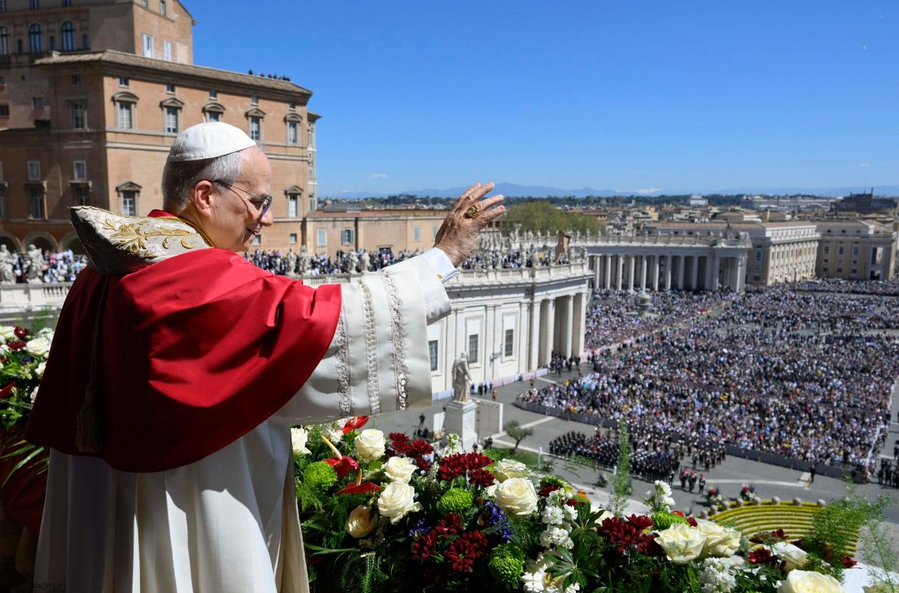
“Let those who have weapons lay them down,” the Pope urged, addressing those with the power to initiate or prolong conflicts. In the first Urbi et Orbi message of his pontificate, he stressed that peace must not be imposed by force, but built through genuine encounter and dialogue between peoples.
Speaking from the Vatican, he warned that the world is becoming increasingly accustomed to violence and growing indifferent to its consequences. Beyond the loss of life, he pointed to the deep social, economic, and human costs of war, including rising division and hatred.
Echoing a phrase coined by his predecessor, Pope Francis, Pope Leo cautioned against the spread of a “globalisation of indifference,” urging the international community not to accept violence as inevitable. “We cannot remain indifferent. We cannot resign ourselves to evil,” he said.
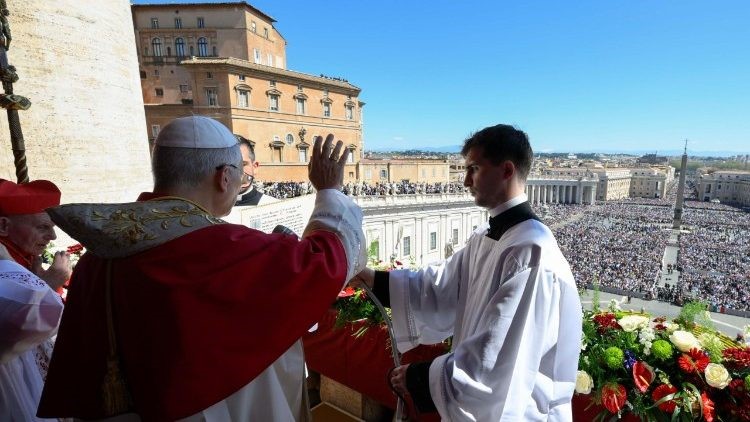
The Pope also announced that he will lead a prayer vigil for peace on Saturday, April 11, at Saint Peter’s Basilica.
Reflecting on the meaning of Easter, he said that Christ’s victory over death represents a triumph achieved not through force, but through love—one that forgives, redeems, and creates new life. This, he said, is the true strength that can foster lasting peace.
He concluded by emphasizing that peace is not only the absence of conflict, but also an inner transformation. True peace, he said, must take root in the human heart before it can shape the world.

Comments (0)
No comments yet. Be the first!
Leave a Comment
Your comment will be reviewed before publishing.