
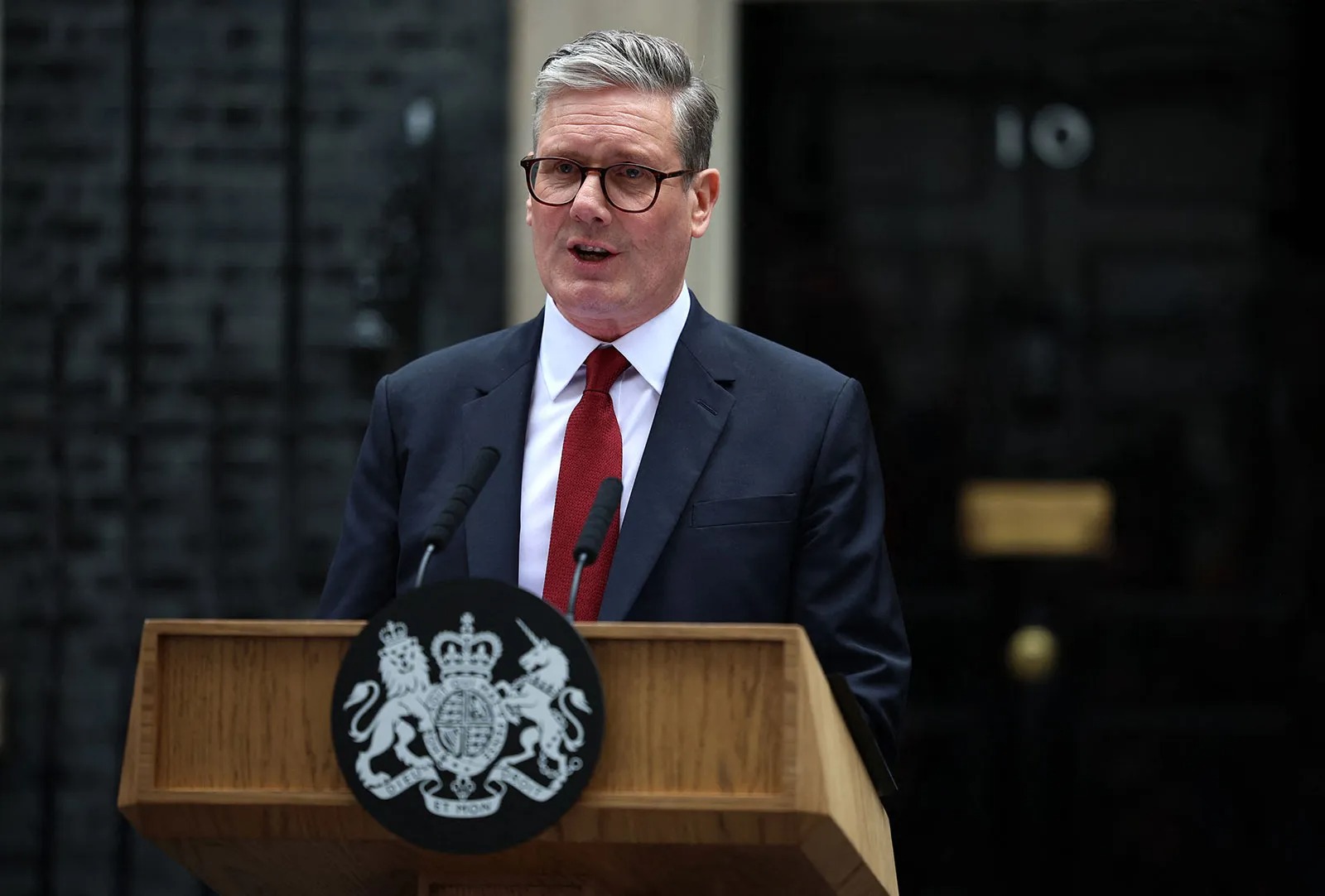

As the Observer newspaper reported on Saturday, Cabinet loyalists have urged him to act voluntarily to avoid a forced ouster, following a wave of internal revolt. Over 100 Labour MPs , nearly one in four, have publicly called for him to step down or set an exit timetable.
Starmer’s troubles stem from a mix of poor electoral performance, internal scandals, and policy discontent.
Labour suffered heavy losses in recent local elections. A key flashpoint was the Makerfield by-election on June 18, 2026, where Andy Burnham secured a decisive victory with about 55% of the vote.
Additional factors include resignations over issues like defence spending, welfare reforms, and lingering controversies. Starmer’s approval ratings have plummeted, and critics within the party argue he has lost the public’s confidence and cannot lead Labour into the next election.
Starmer has insisted he would fight any leadership challenge and “not walk away,” but sources suggest he is now weighing an orderly exit.
Six prime ministers in 10 years. Ungovernable UK?
This instability is not new. Since the 2016 Brexit referendum, the UK has seen rapid turnover at No. 10 Downing Street, with six prime ministers in roughly a decade (David Cameron, Theresa May, Boris Johnson, Liz Truss, Rishi Sunak, and now potentially Starmer).
In Britain’s parliamentary system, the prime minister is the leader of the party (or coalition) that commands a majority in the House of Commons. Parties can remove their own leader through internal processes without a general election. This allows swift changes when popularity wanes but can lead to short-lived premierships and policy discontinuity.
Brexit divisions, economic pressures, scandals, and shifting voter loyalties - including the rise of Reform UK - have amplified this volatility. Critics describe it as an “ungovernable” cycle that hampers long-term governance.
Andy Burnham as the frontrunner
The clear favourite to replace Starmer is Andy Burnham, the popular former Mayor of Greater Manchester, now newly elected MP for Makerfield. Often called the “King of the North,” Burnham is seen as a unifying figure with strong appeal among Labour members and the broader public.
Betting markets and party insiders heavily favour him. Other potential contenders like Wes Streeting or Angela Rayner trail significantly. Burnham has signalled readiness for a leadership bid, emphasising the need for Labour to regain trust and deliver change.
A formal leadership contest would follow Starmer’s resignation, involving MP nominations and votes among party members. An orderly transition could see Burnham in No. 10 relatively quickly, possibly aiming for stability ahead of the next general election.
According to different major news outlets like Reuters... early next week will be pivotal. If Starmer steps aside gracefully, it could enable a smoother handover. A prolonged fight risks deeper party division.
The situation is fast-moving. For the latest developments, reliable sources include the BBC, Guardian, and Reuters. Britain’s political carousel continues - the question is whether the next occupant of Downing Street can finally bring stability.
Comments (0)
No comments yet. Be the first!
Leave a Comment
Your comment will be reviewed before publishing.